Troemner Farm Ecology
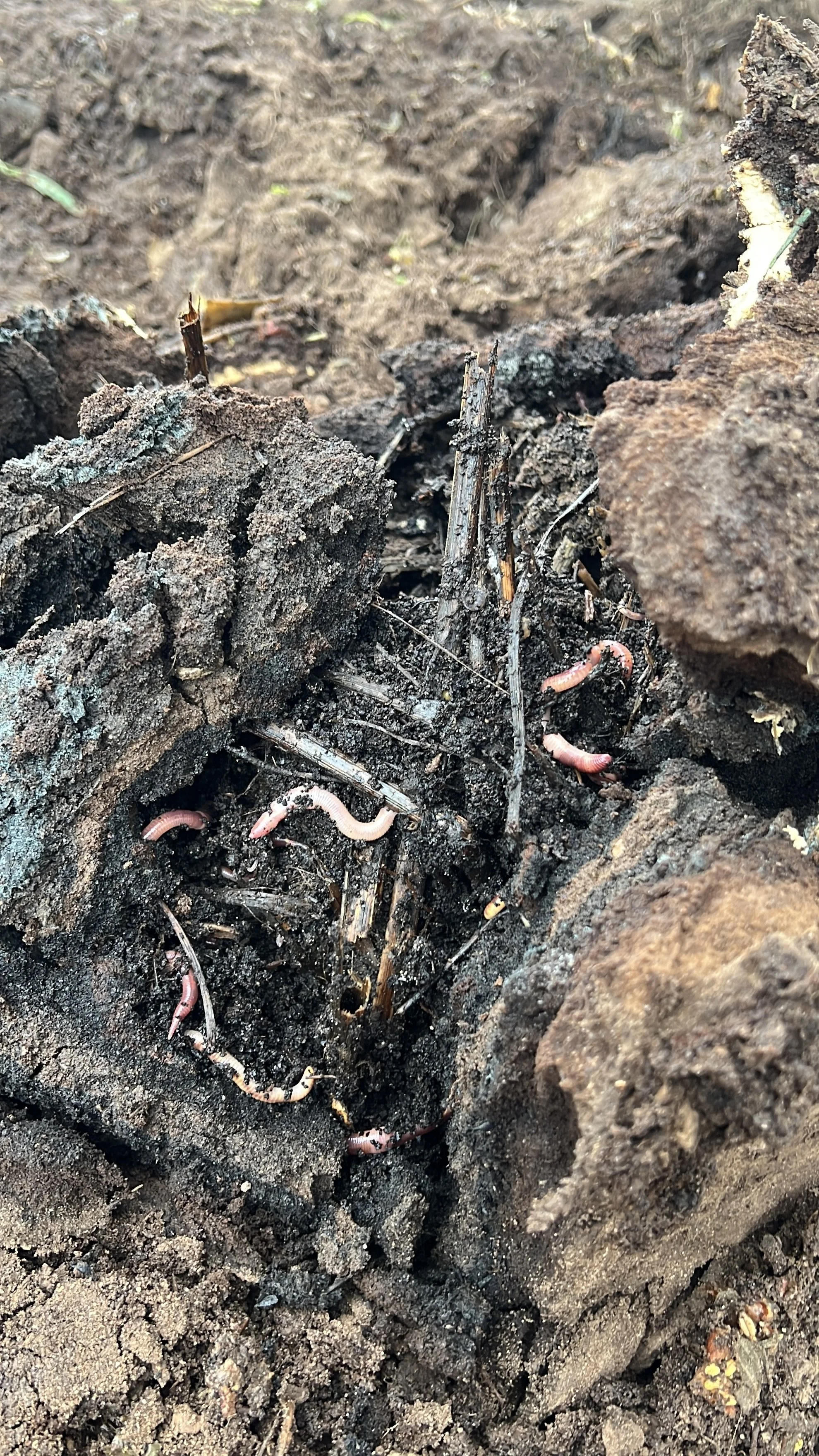
Worms! Worms Everywhere in the Compost Pile
These gorgeous crawlers are a wonderful sign that the pile is balanced. Worms thrive when the conditions are right: steady moisture, a healthy pH, and a good mix of browns, which are carbon-rich materials, and greens, which are nitrogen-rich materials.
They also leave behind one of the best gifts a compost pile can offer: worm castings. Also known as worm poop, castings help create highly bioavailable, nutrient-rich compost that feeds the soil and supports healthy plant growth.
Our Community Compost Process
Our process is simple, low-waste, and beautifully connected:
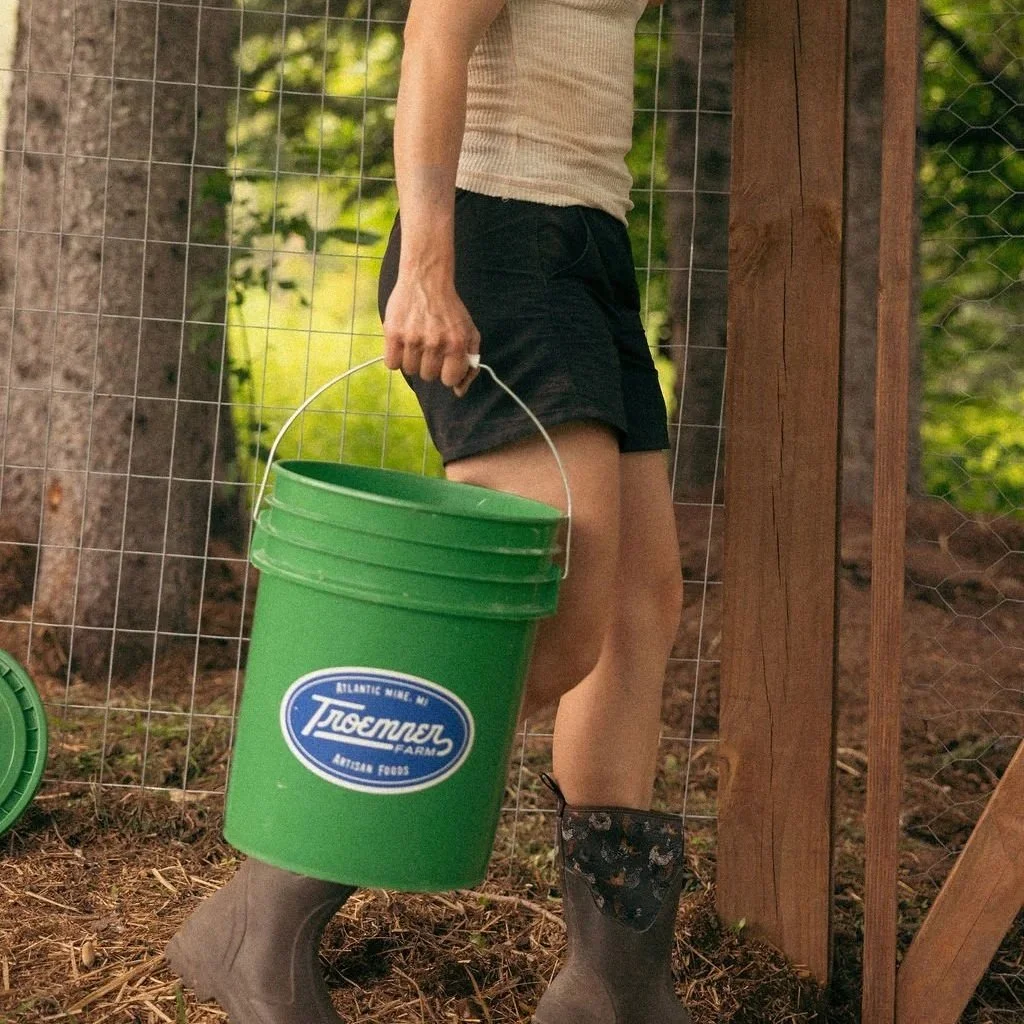
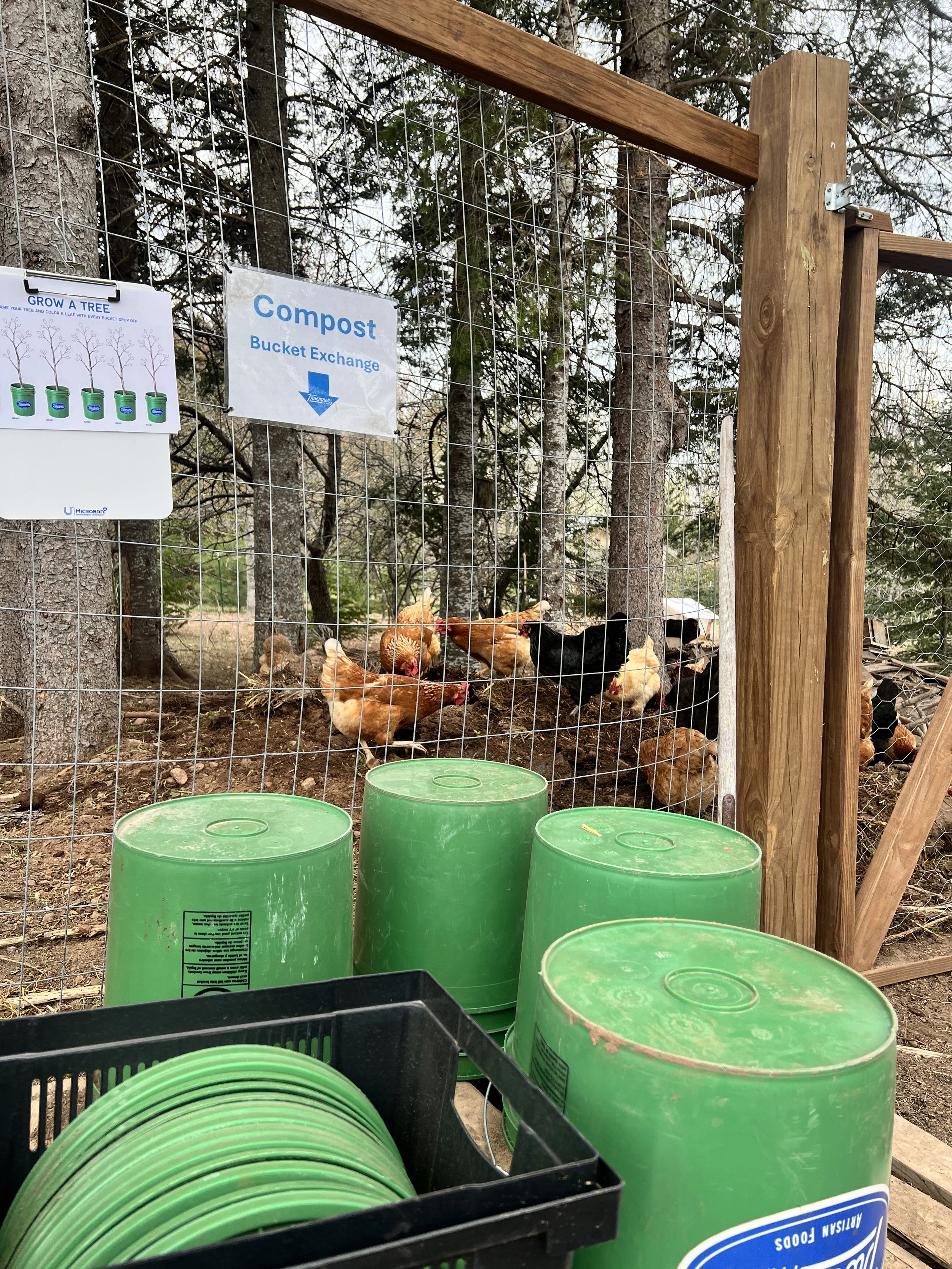
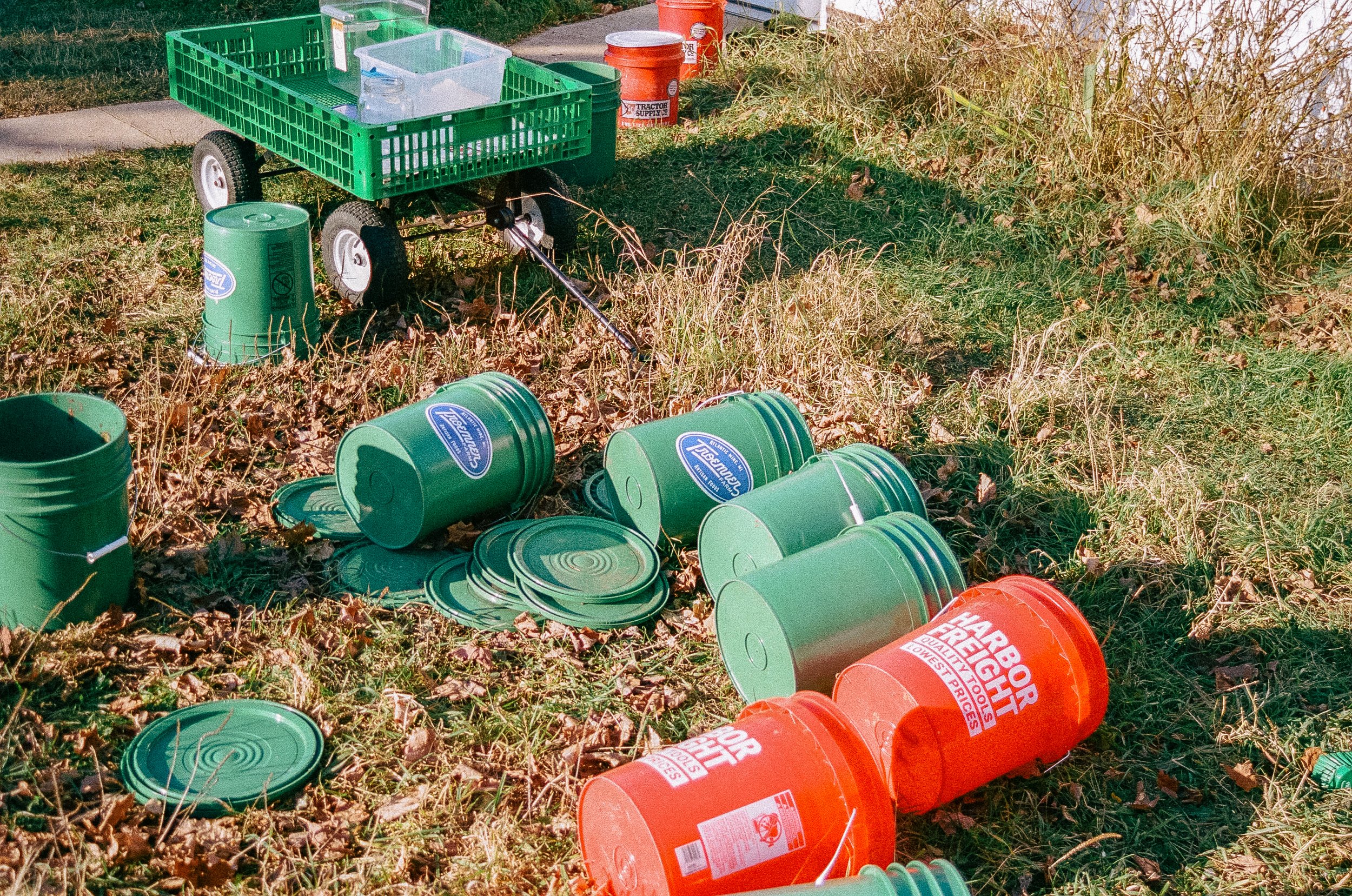
Community composters pick up a lender 5 gallon bucket and lid to fill with food scraps and sprinkle with bokashi bran (also provided at pickup).
We empty the filled compost buckets received in our community compost program. These food scraps bring in the green matter.
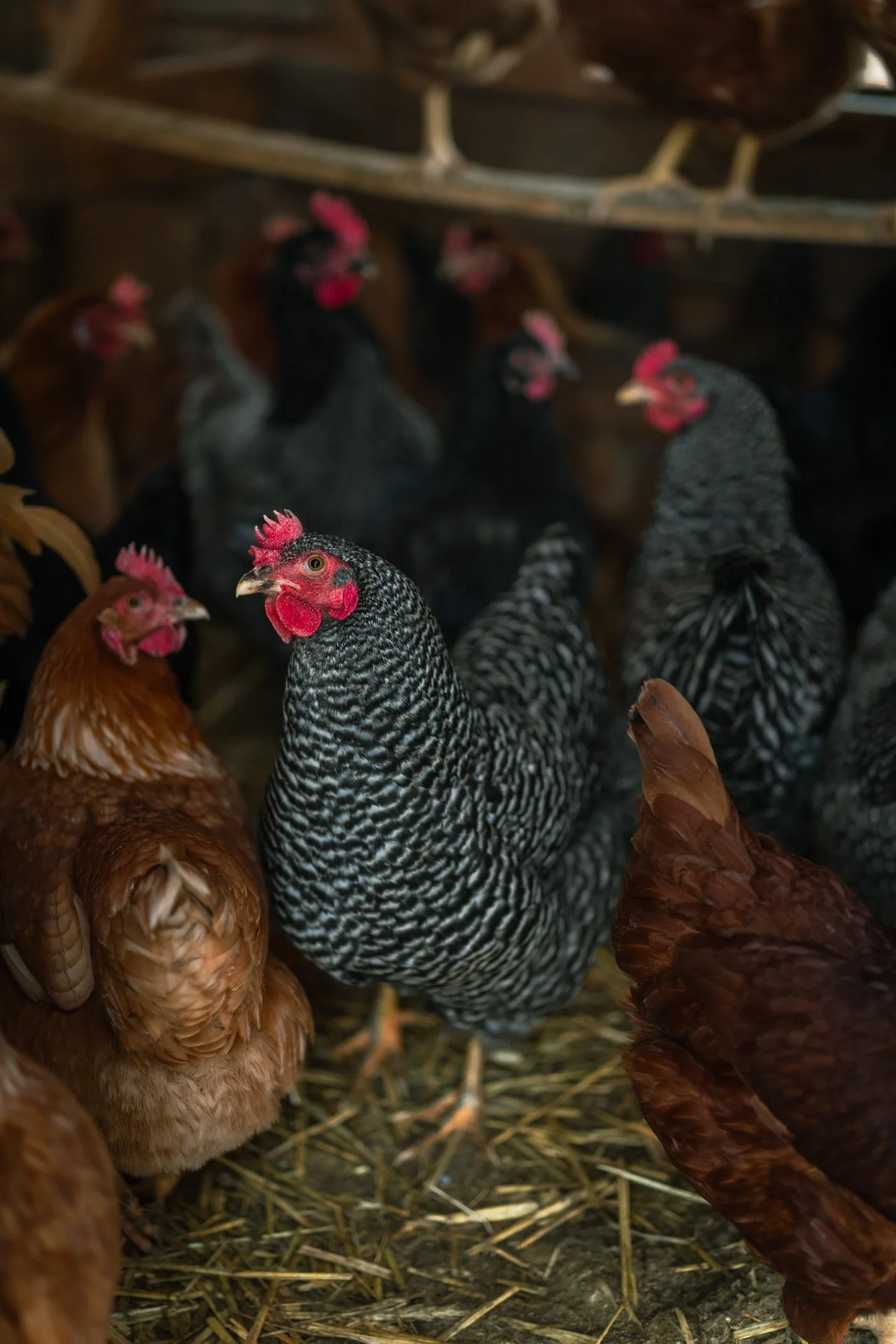
Our chickens get to work. They scratch, peck, dig, and stir through the pile, helping aerate the material while enjoying the bits and pieces they find along the way.
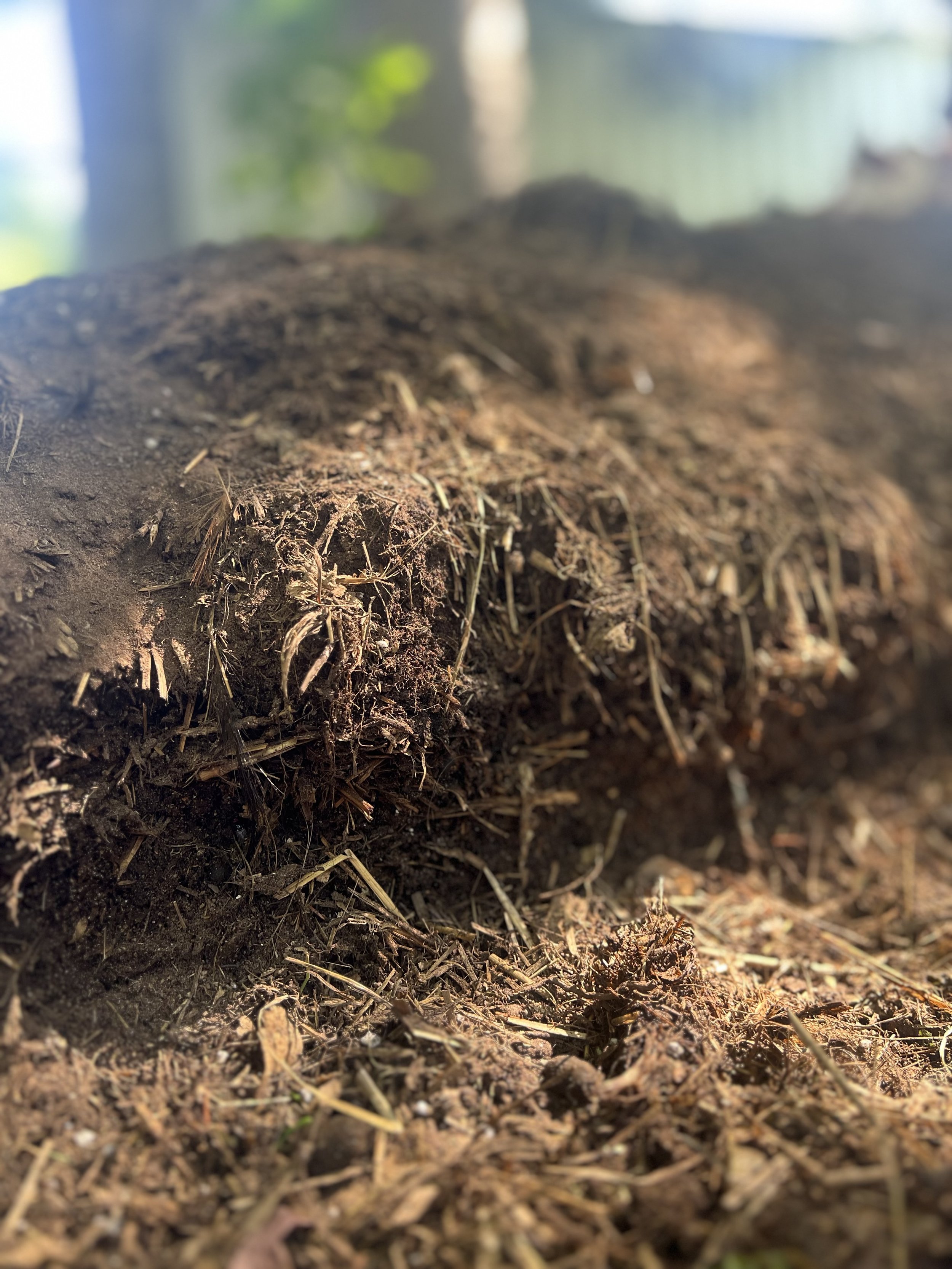
We add brown matter on top, such as wood chips, old leaves, or soiled straw bedding from the chicken coop. This helps balance the pile and supports the slow transformation from scraps to soil food.
The rain does its part. Moisture helps the composting process move along and keeps the pile hospitable for worms, microbes, and all the tiny organisms doing the unseen work.
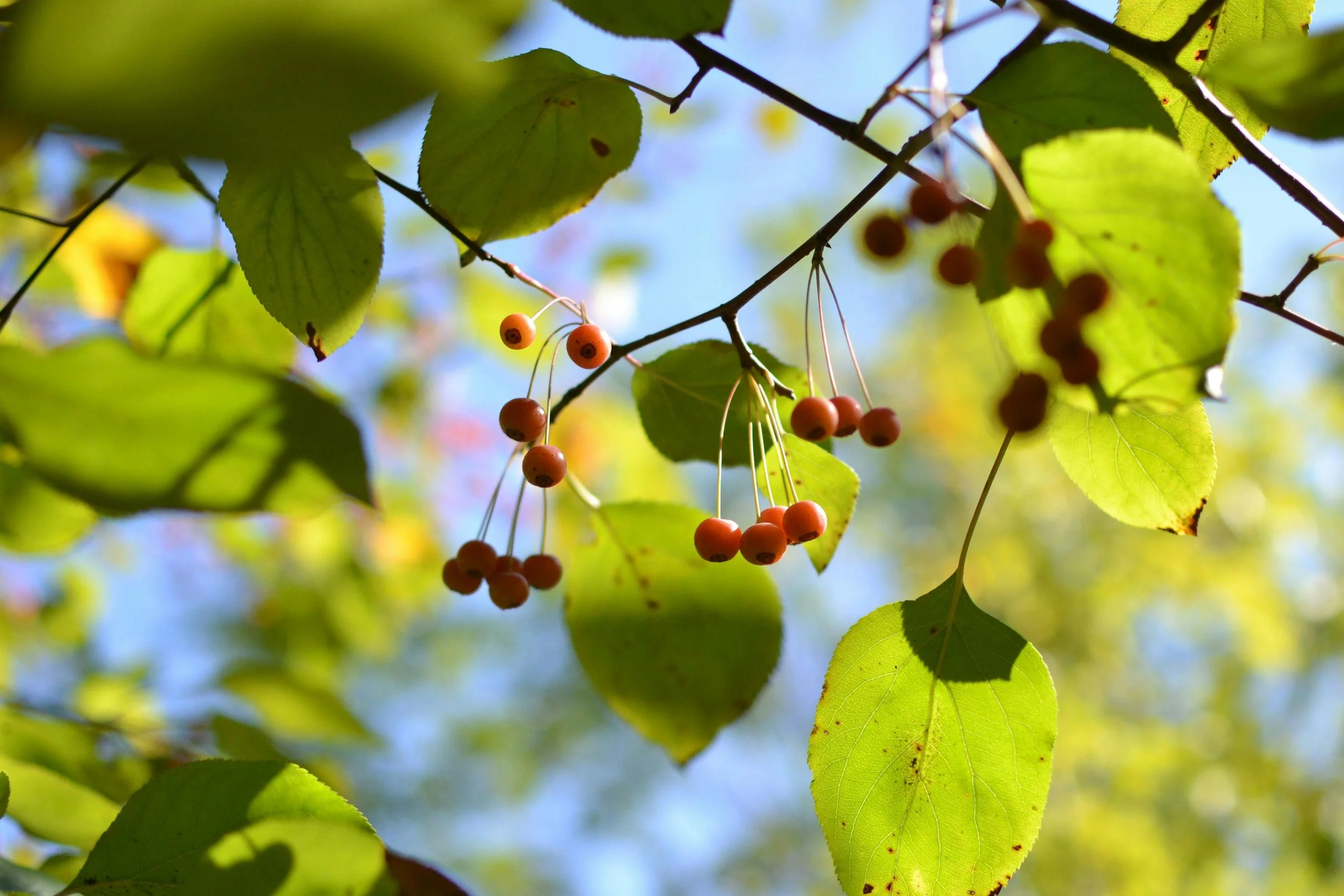
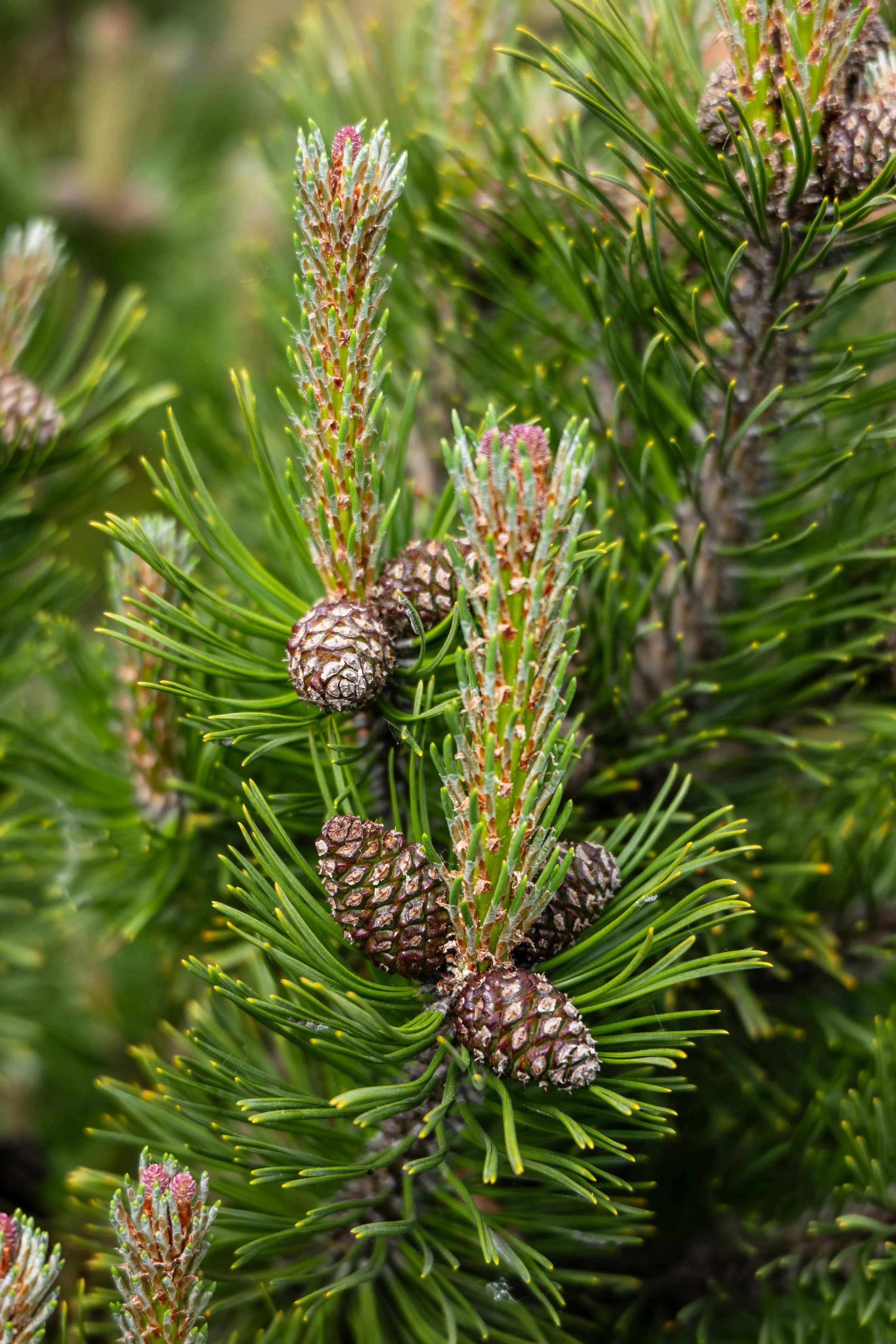
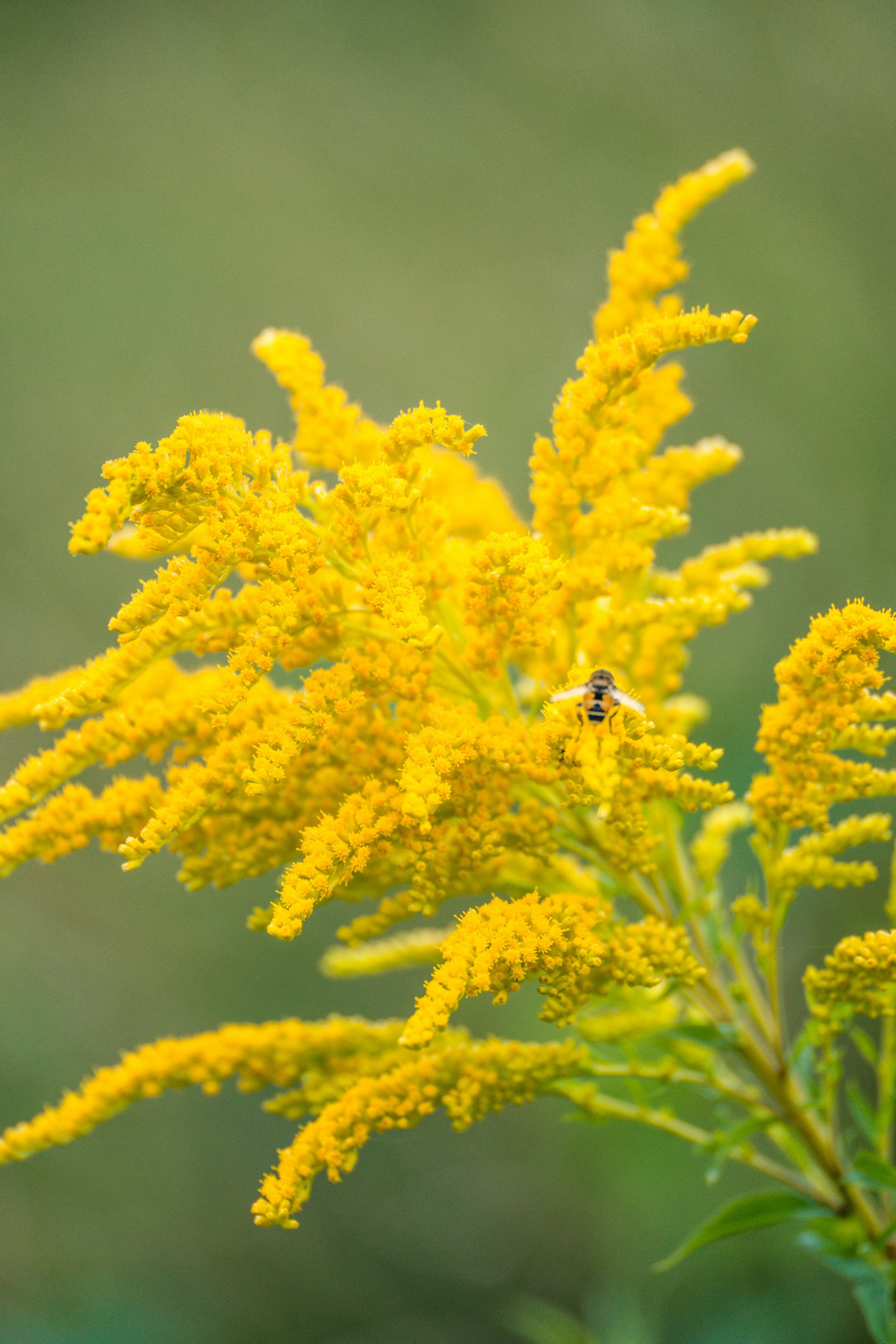
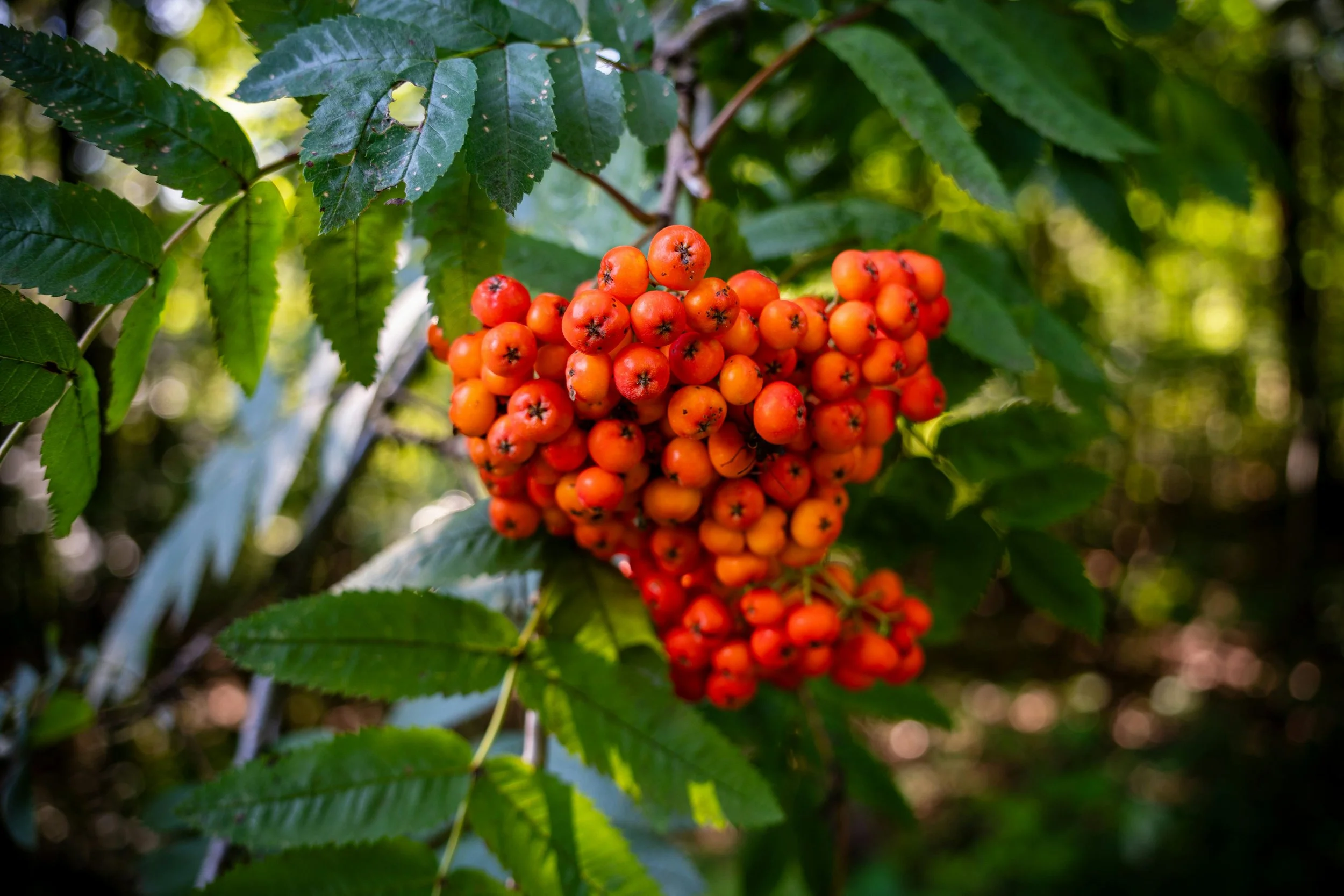
Over time, the deepest layer becomes finished compost. We dig up that rich, dark material and apply it around trees, shrubs, and wildflowers that support pollinators and wildlife, including rowanberry, lilac, chokecherry, pine, solidago, and serviceberry.
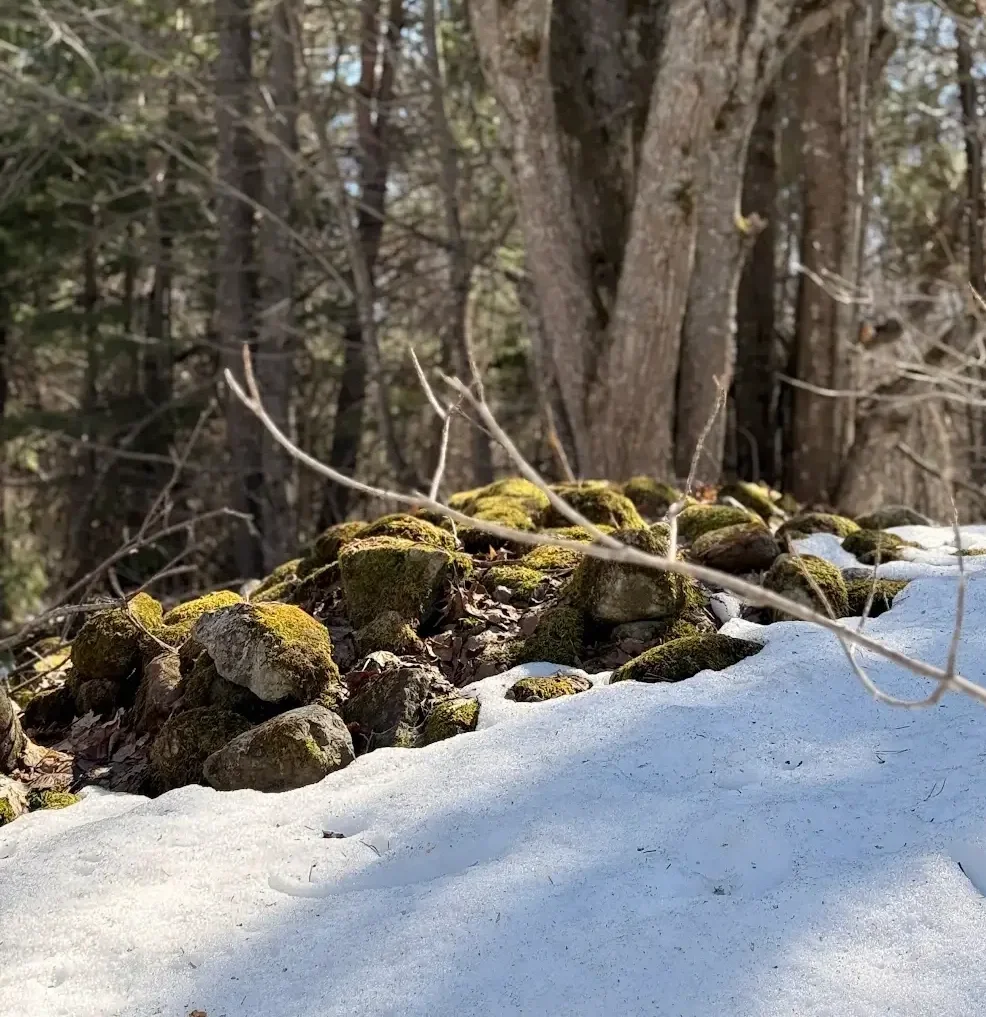
At Troemner Farm, regenerative farming extends far beyond the garden plot, it supports the entire ecosystem of the surrounding forest, stream banks, and prairies.
From Friends, to Farm, to Forest
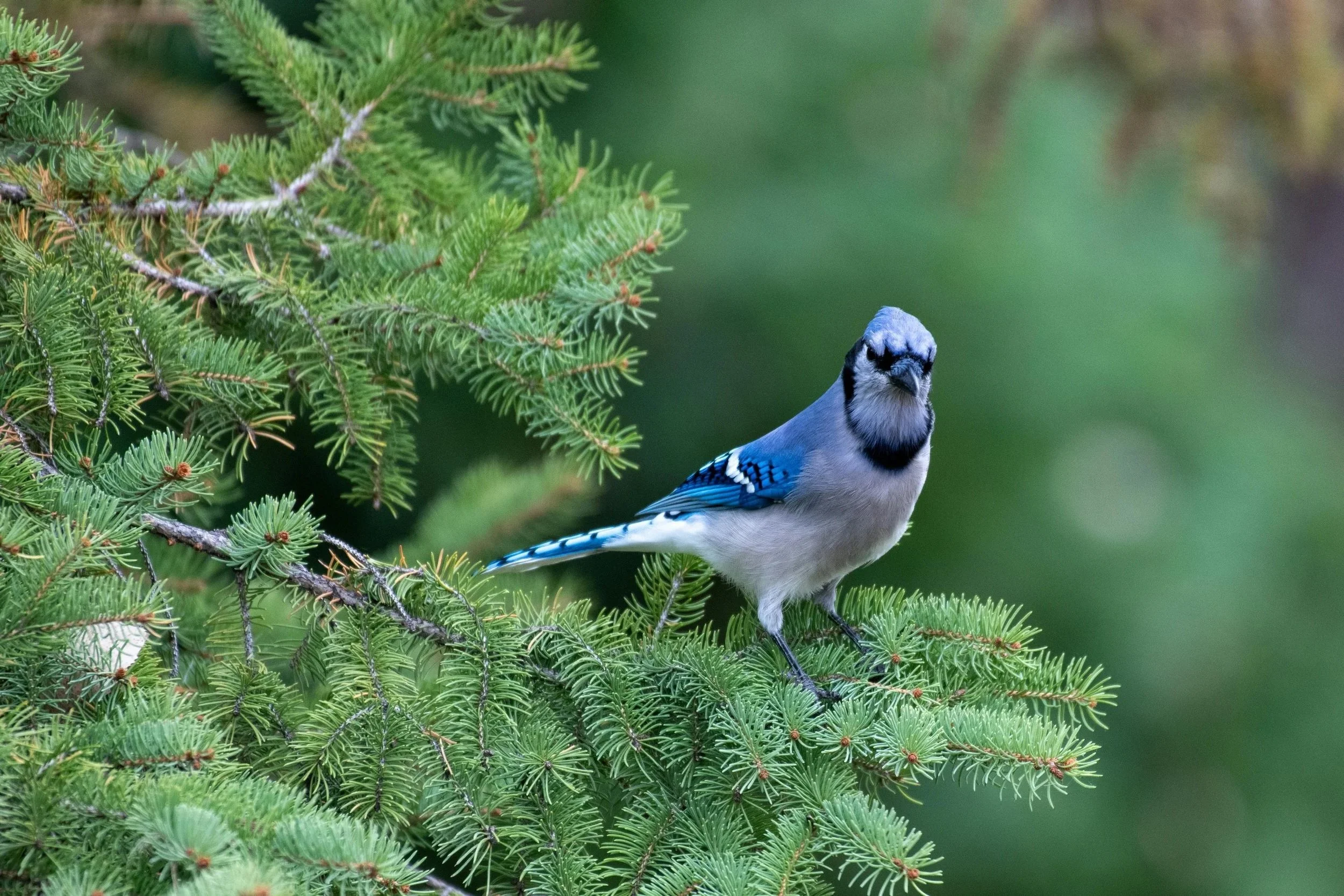
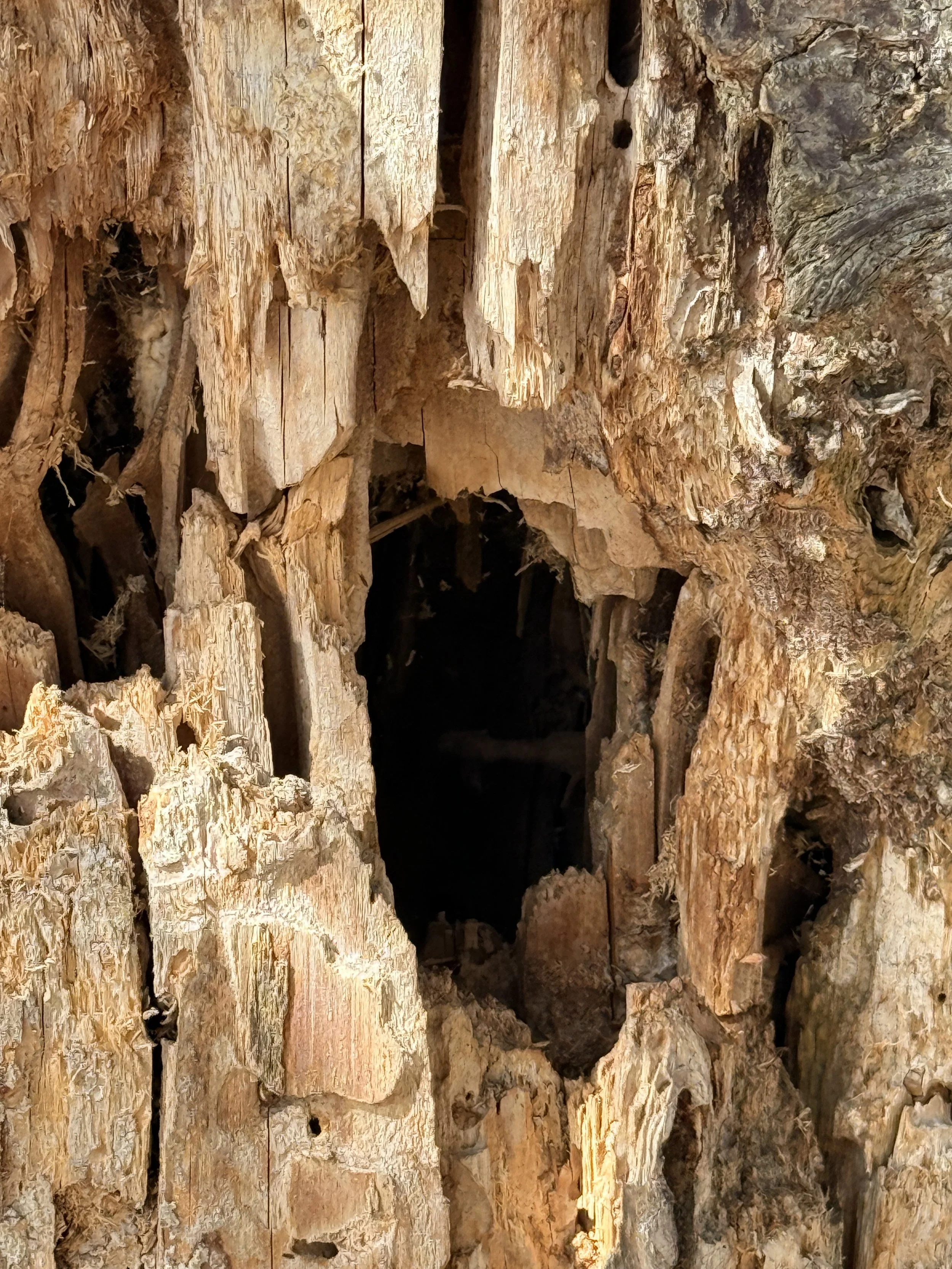
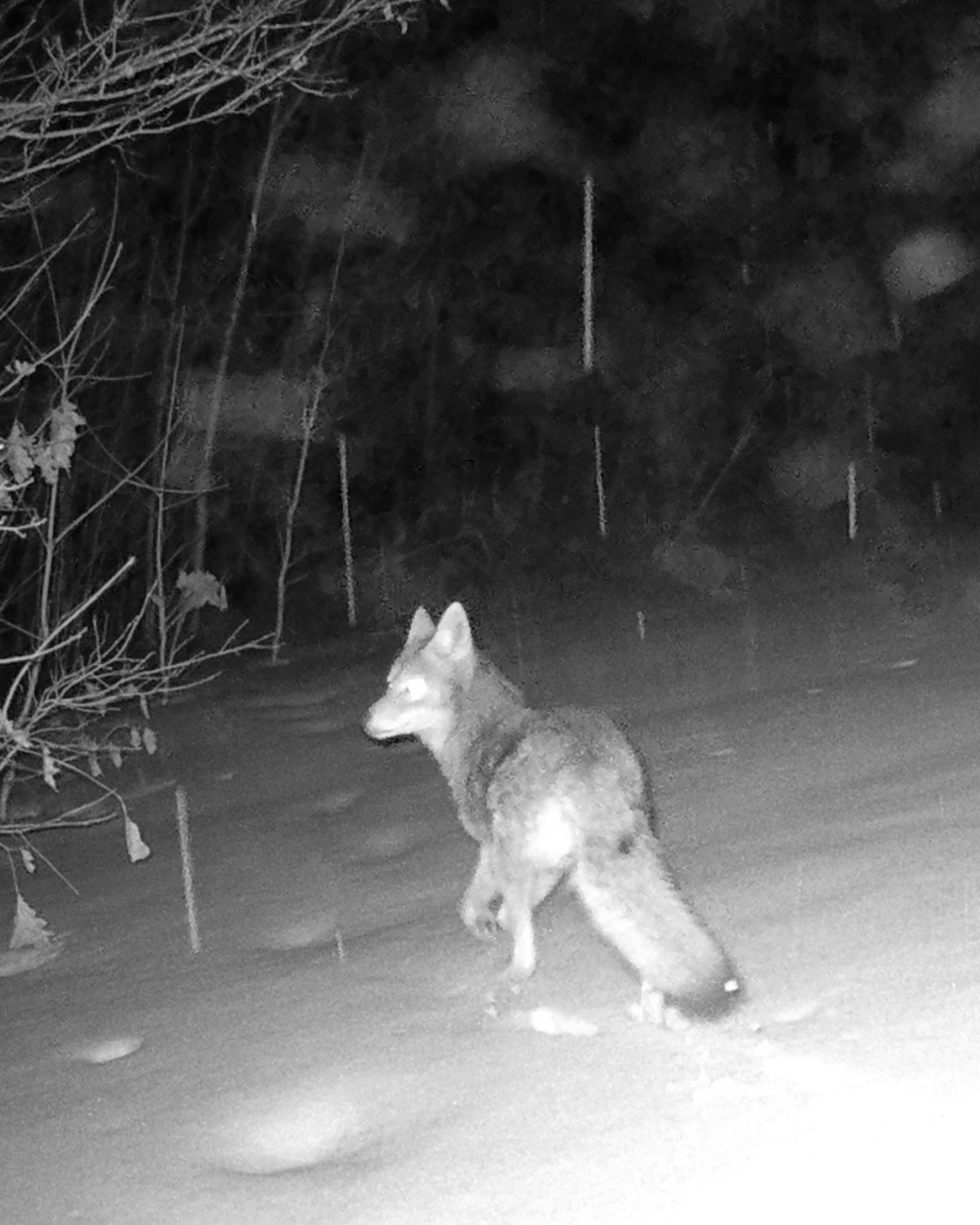
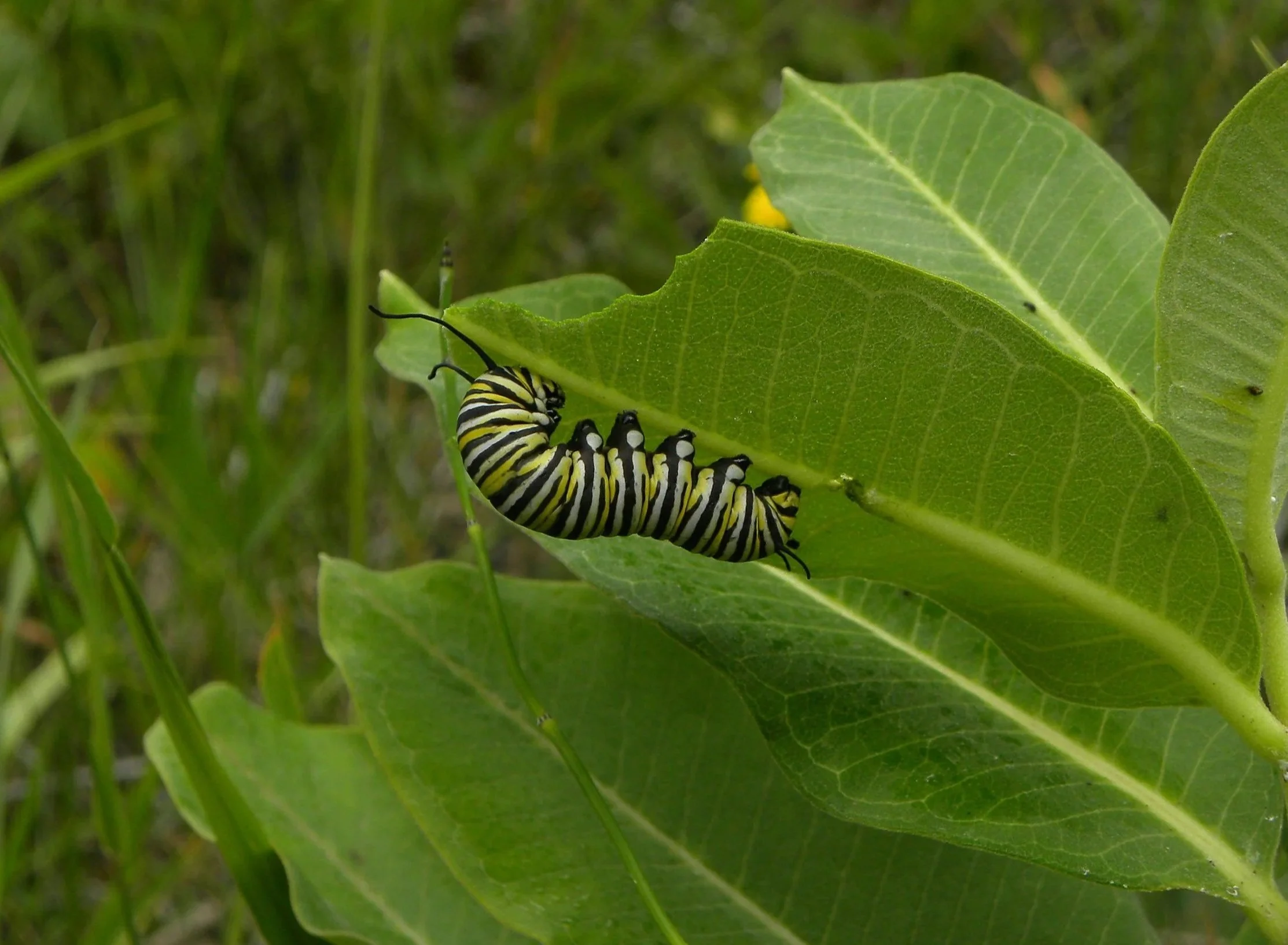
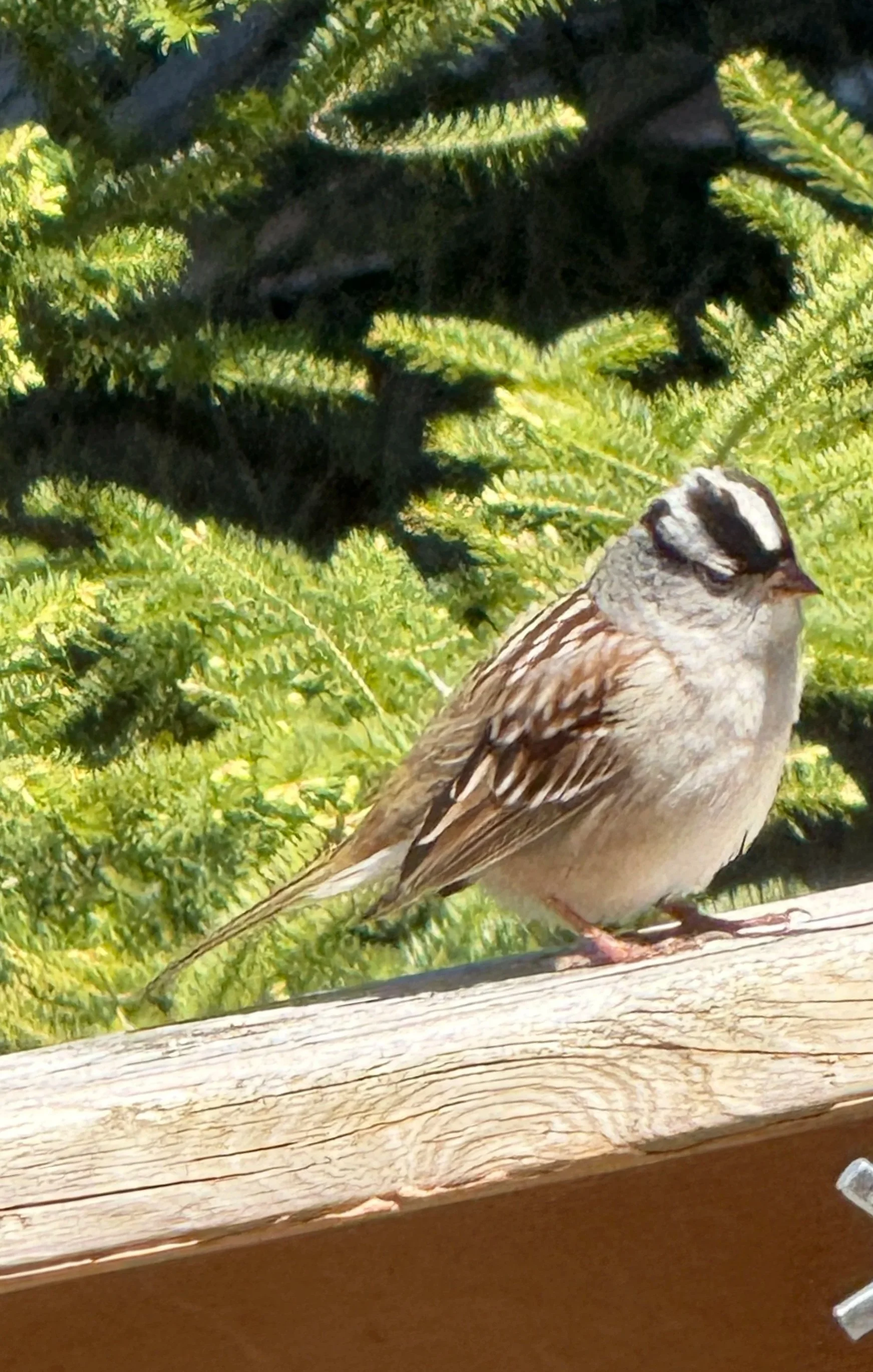
The beautiful thing about compost is that nothing works alone. Community members collect scraps. Chickens aerate the pile. Worms transform the material. Finished compost feeds the soil. The soil supports plants. Plants feed pollinators, birds, and wildlife.
All of it is connected and all thrives together.
Community compost program members, and the general public, are welcome to walk Troemner Trail a 0.6 mile nature trail that winds through the forest when it OPENS IN LATE JUNE! When you first get here, you can watch the chickens in the pasture then enjoy the wildlife on the trail and see how small acts of care become part of a much larger cycle.
Thank you for the part you play in this sustainable solution. Your filled compost buckets are doing more than keeping food scraps out of the landfill. They are helping build soil, feed wildlife habitat, and grow a healthier farm ecosystem.