
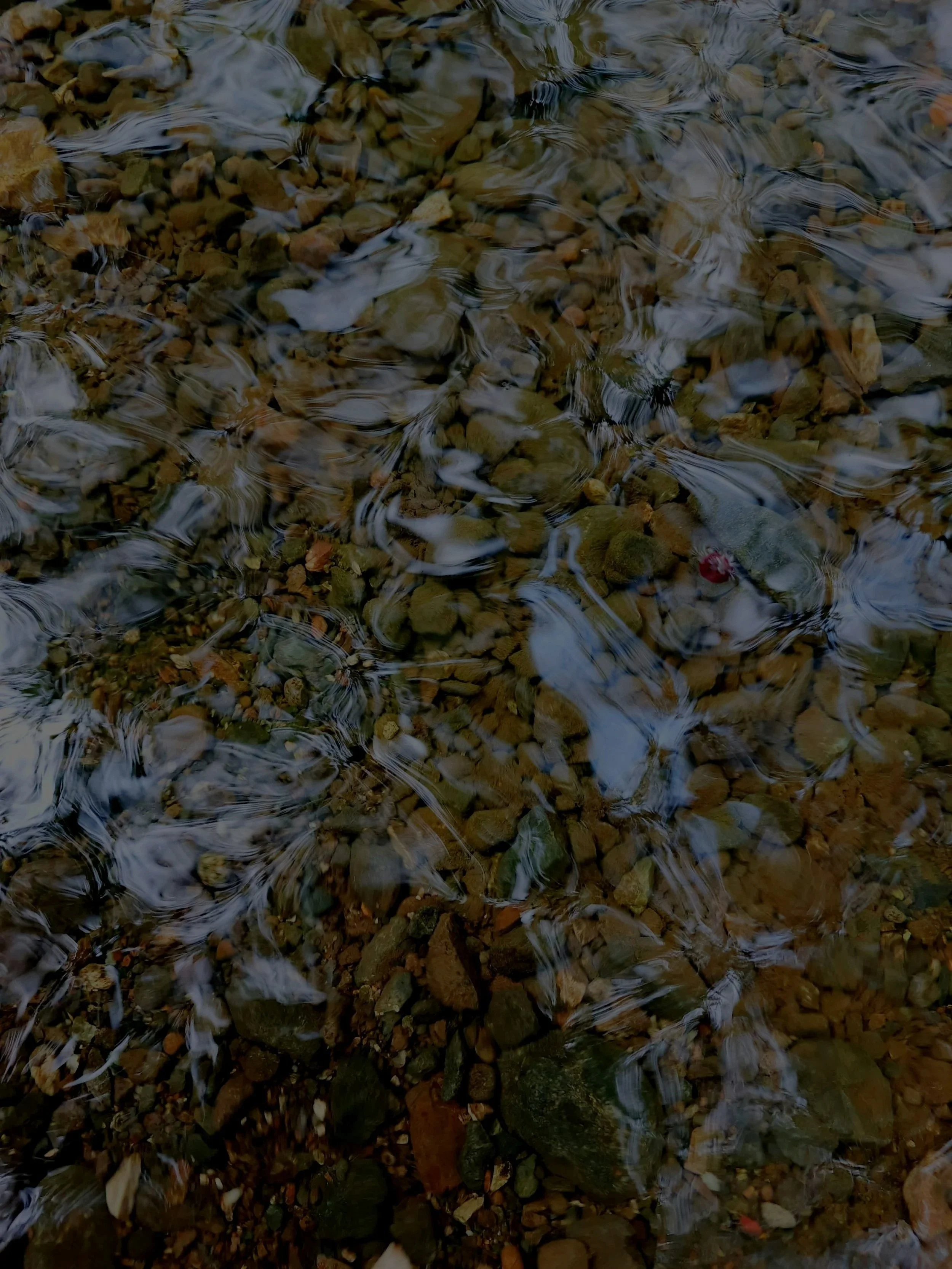
Environmental Stewardship
Learn how we’re farming responsibly, wasting less, and protecting what sustains us
Farming impacts the land. It isn’t inherently good just because it grows food. Soil gets disturbed, water moves differently, nutrients leave the field, and every decision has a ripple effect. That’s why we farm with intention: wasting less, conserving resources, protecting water, and building systems that give back where they can.
For us, environmental stewardship starts before we grow food with careful planning. Through water management, soil monitoring, habitat protection, field borders, stream crossing, and energy improvements, we work to farm more responsibly and leave the land healthier for future generations.
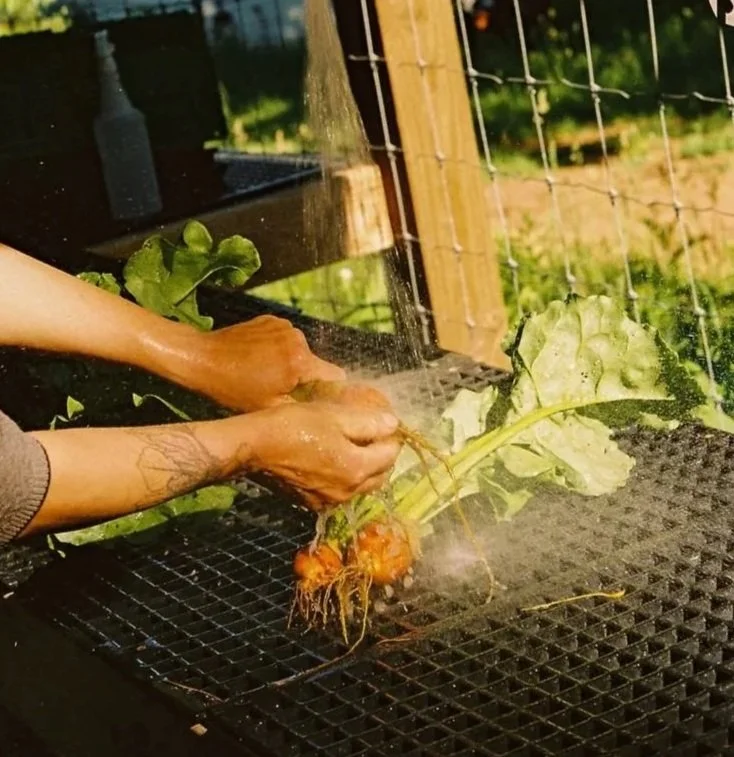
(Waste)water Management
Even in an organically grown system, runoff needs to be handled with care. Excess water can still carry essential nutrients like nitrogen and phosphorus, which may affect water quality if they flow directly into ditches or streams.
On our farm, excess water—and the valuable nutrients it carries—from the garden is diverted into a drain, collected in a catch basin, carried beneath the greenhouse, and returned to the land through a wetland basin. There, grasses, sedges, an apple tree, pines, and young maples can drink it up. The runoff slows down, spreads out, and soaks back into the landscape.
It’s a small system built on a simple idea: waste less, work with the land, and let one part of the farm support another.
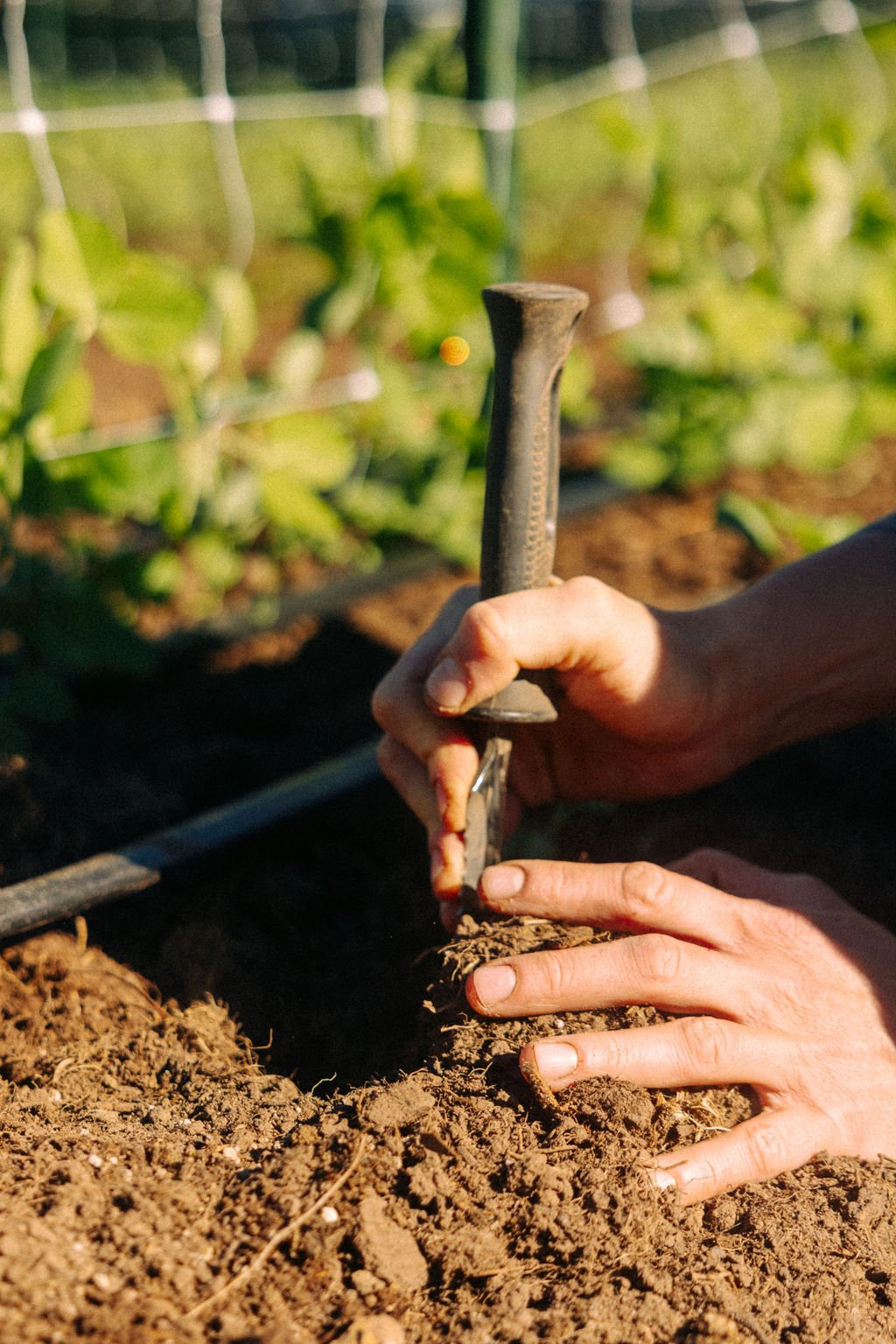
Soil Monitoring
Each year, we complete comprehensive soil testing to better understand the health and fertility of our fields. These tests measure essential macronutrients such as total nitrogen, nitrate, ammonium, phosphorus, potassium, sulfur, calcium, magnesium, and sodium, as well as micronutrients including iron, manganese, zinc, copper, and boron. We also test soil pH, which shows the balance between acidity and alkalinity.
These results help us make informed decisions about how to budget, apply, and conserve nutrients. By understanding what our soil actually needs, we can reduce input costs, avoid over-applying fertilizers or manure, protect water quality, reduce nutrient runoff, and maintain or improve the physical, chemical, and biological condition of our soil. Proper nutrient management also helps us make better use of compost, manure, and other organic soil amendments while reducing odors, nitrogen emissions, and other impacts to air quality.
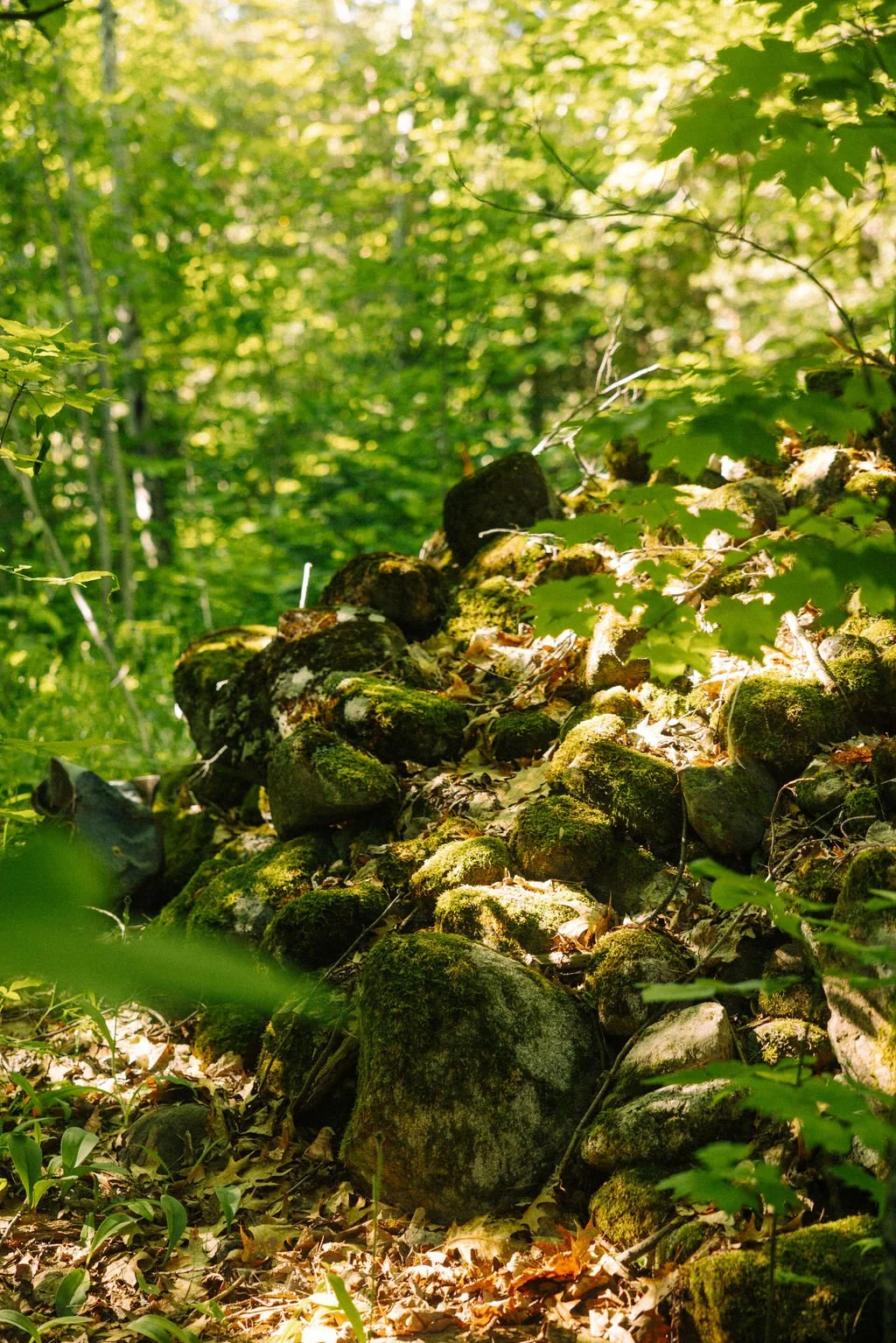
Habitat Protection
Troemner Trail is a hiking trail that winds through the Certified Wildlife Habitat covering more than 90% of the farm property. This habitat supports birds, pollinators, small mammals, beneficial insects, and native plants by providing food, water, shelter, and places for wildlife to raise young. Protecting this area helps conserve biodiversity, improve soil and water health, create natural buffers around farm fields, and offer visitors a meaningful way to experience the connection between farming, conservation, and wildlife stewardship.
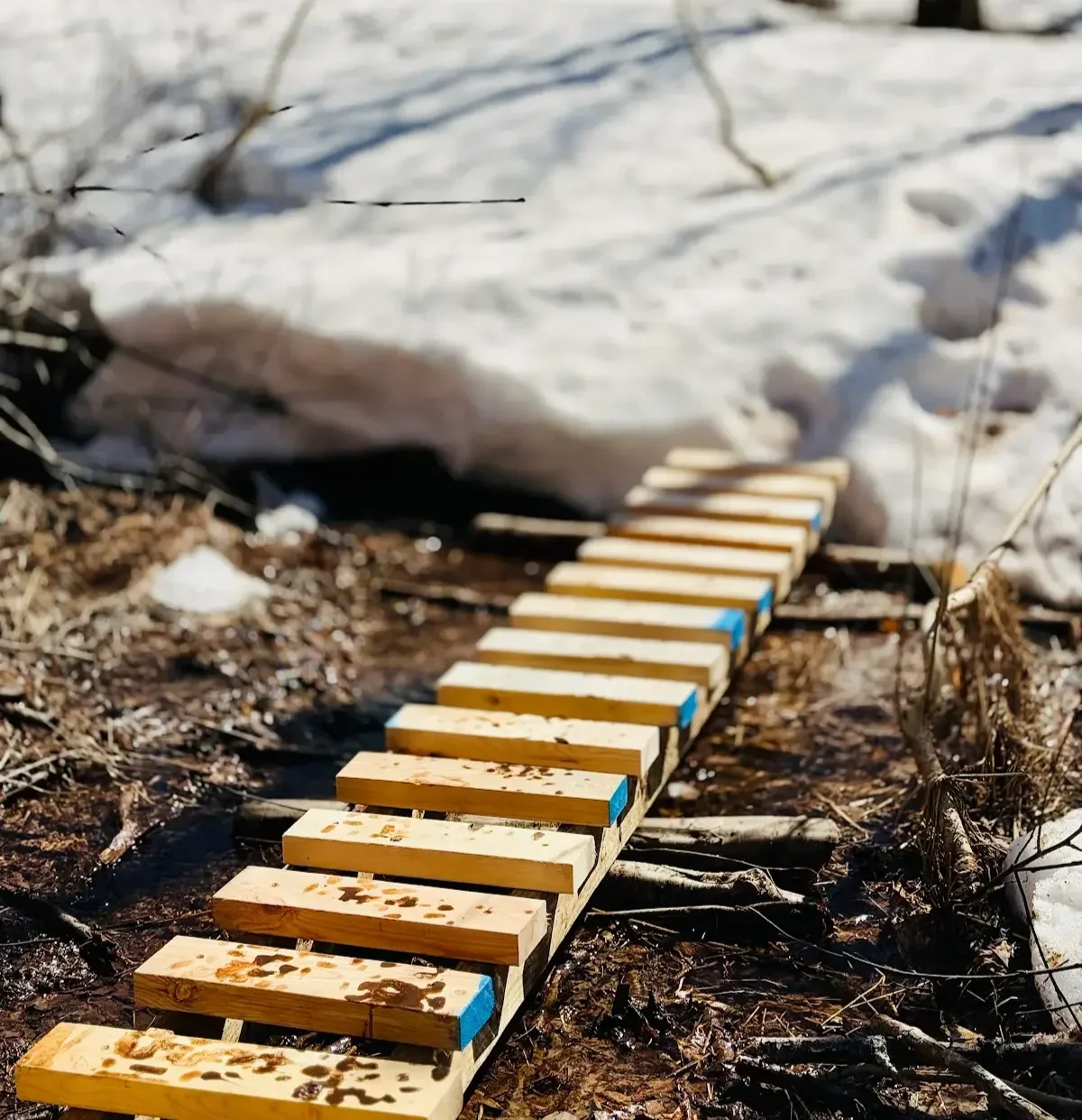
Stream Crossings
Where access is needed between land units, our stream crossings help us move across the farm while protecting the stream itself. These crossings can improve water quality by reducing sediment, nutrient, organic, and inorganic loading into the water. They also help reduce erosion along stream banks and stream beds, protecting aquatic habitat and keeping waterways healthier over time.
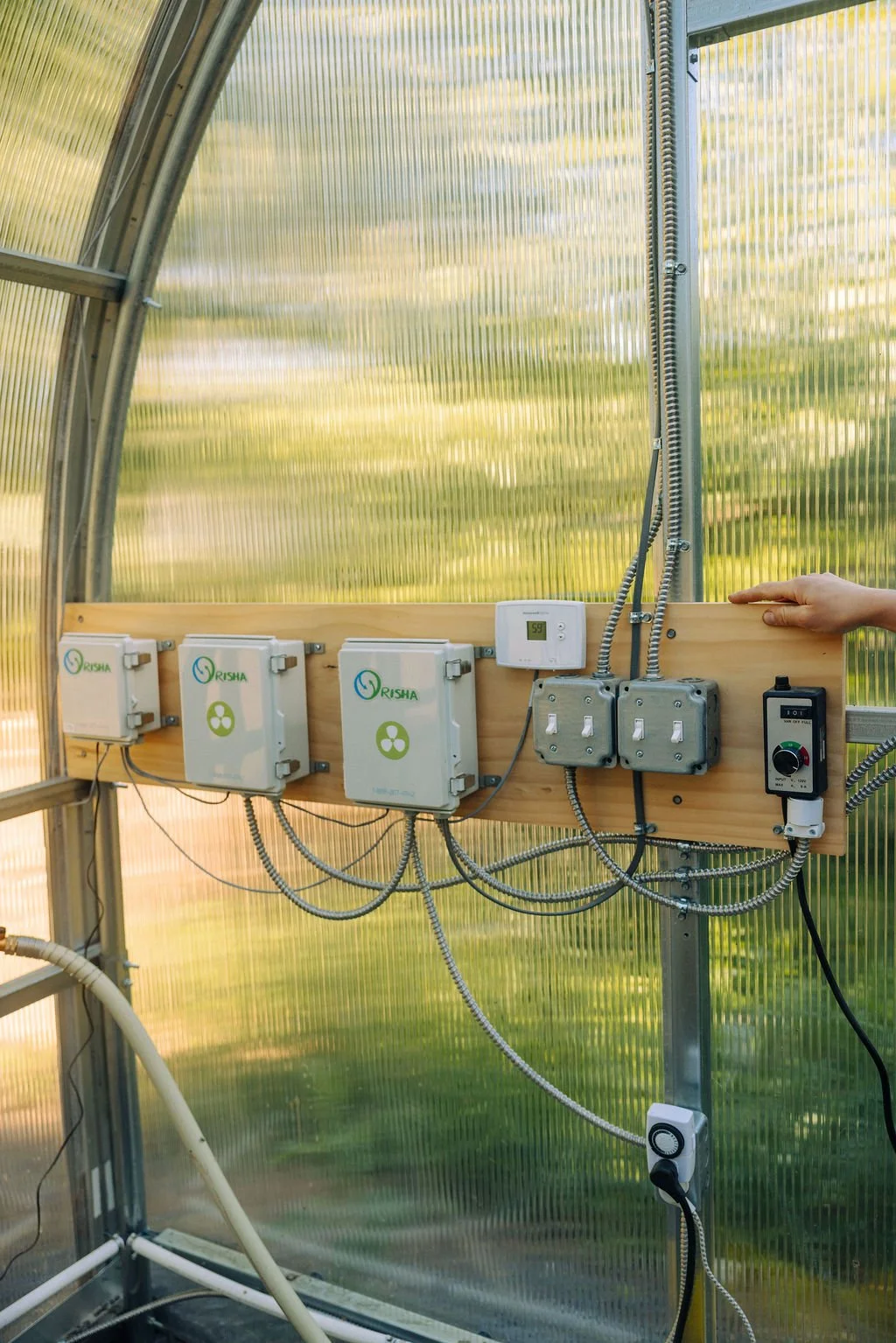
Energy Improvements
We’re always looking for ways to conserve energy on the farm. Our practices may include improving lighting systems, planting windbreaks, reducing tillage, and exploring renewable energy options.
Energy conservation helps us lower electricity consumption and cut down overall operating costs. Replacing fluorescent lights with LED lamps in farm buildings can reduce energy use by up to 50 percent, and LED lights typically last much longer. Windbreaks can help protect farmstead buildings from cold winter winds, reducing heating needs during colder months. Reducing tillage passes or fertilizer applications in crop fields can also lower fuel use and equipment costs.
We are also currently exploring grant opportunities to help cover the installation of solar panels, allowing the farm to generate more of its own electricity and rely less on the grid.
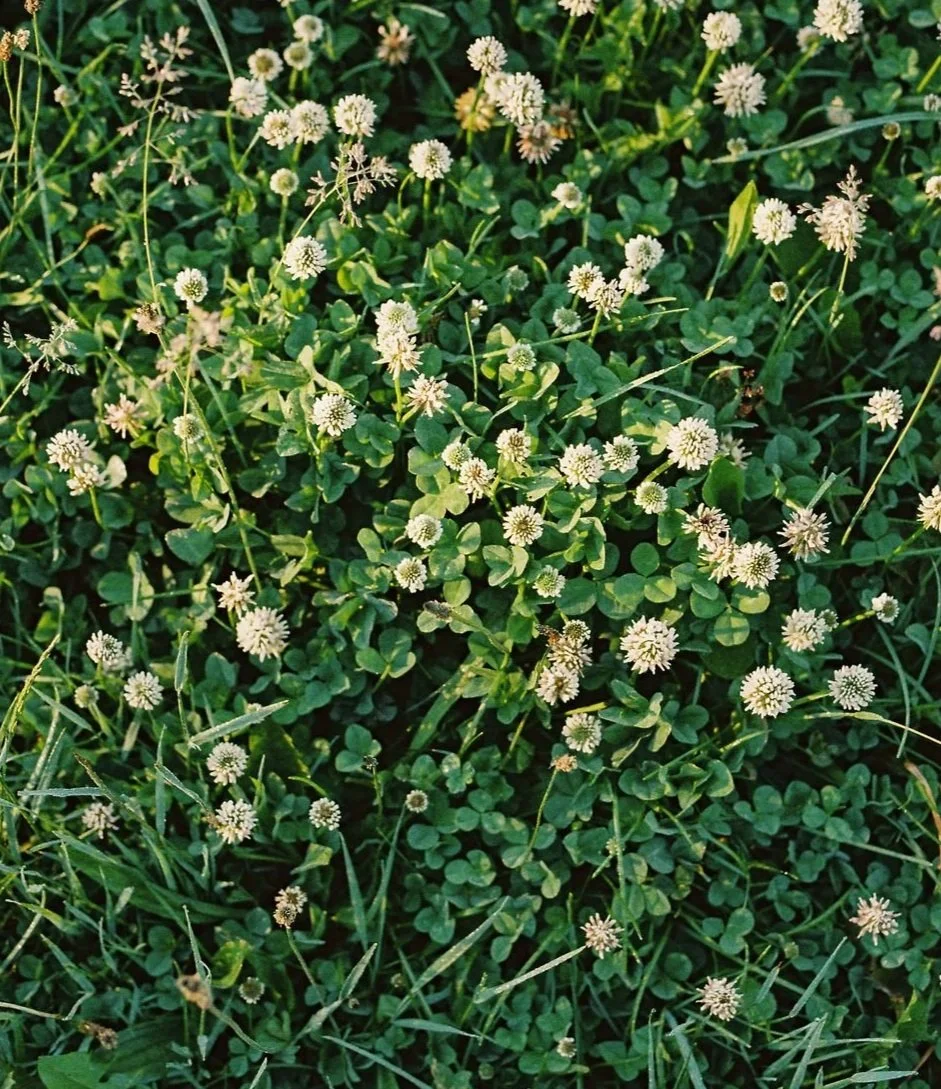
Field Borders
We plant the areas surrounding our fields with perennial clover and native pollinator species to help store carbon in the soil, keep the ground covered, reduce erosion, provide food and habitat for wildlife, and filter runoff before it reaches waterways such as streams and wetlands.
HONOR NATIVE LAND
Troemner Farm is located in Atlantic Mine in the Keweenaw Peninsula of the Upper Peninsula of Michigan. We acknowledge this place as the ancestral and contemporary homeland of Indigenous Anishinaabe neighbors.