
Practices
Soil Health
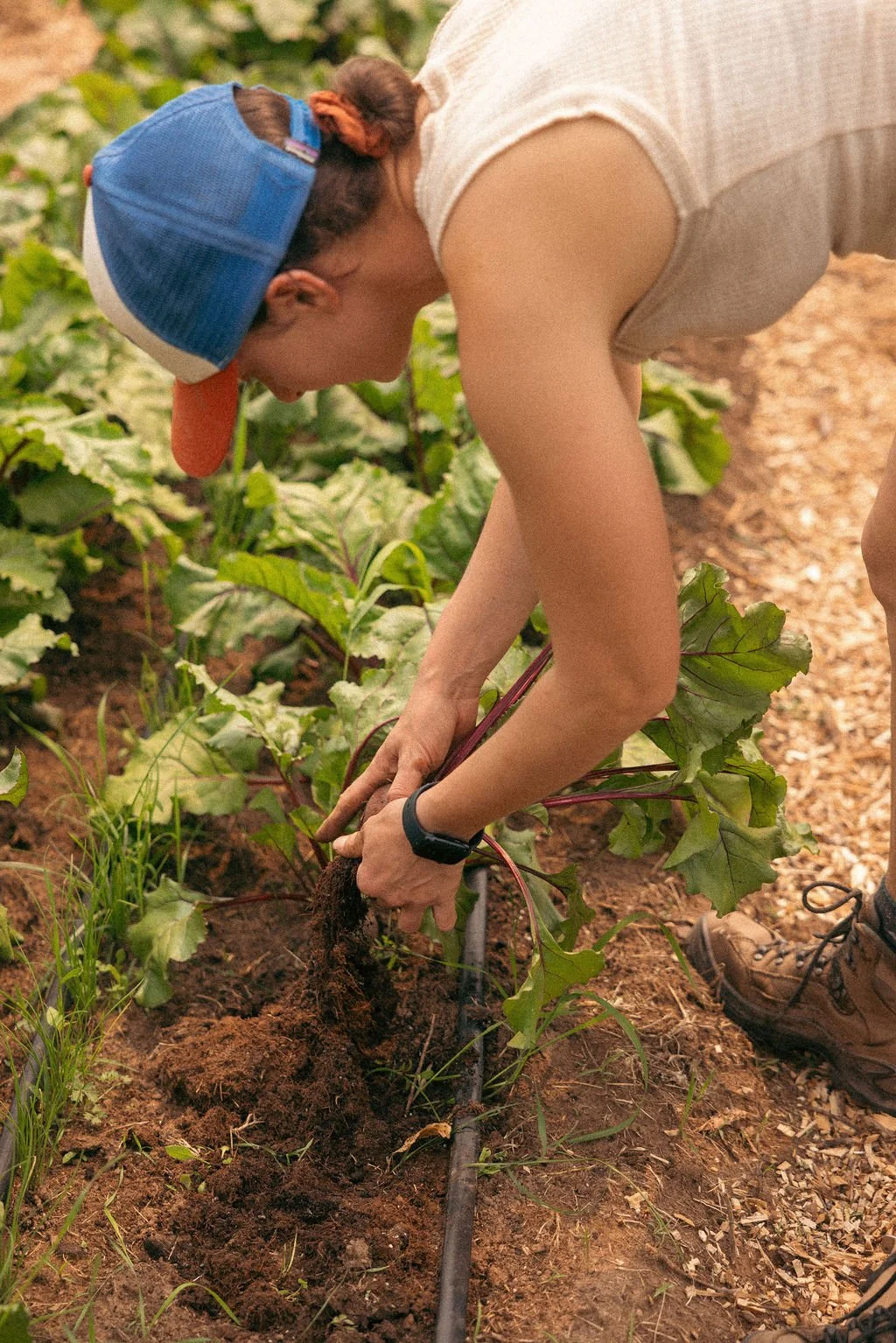
Soil health is everything — the foundation on which all life depends. We see the soil not as a resource to be used up, but as a living, breathing biology to be nurtured. Every choice we make, from cover cropping and interplanting to low-till practices and careful crop rotation, is rooted in the goal of feeding and protecting the diverse web of microorganisms beneath our feet. Healthy soil holds water better, stores more carbon, and grows stronger, more nutrient-dense plants, healing the planet and nourishing our community. By tending to the soil first, we’re investing in a resilient, abundant future for our farm, our food, and the land we love.
Organic Everything
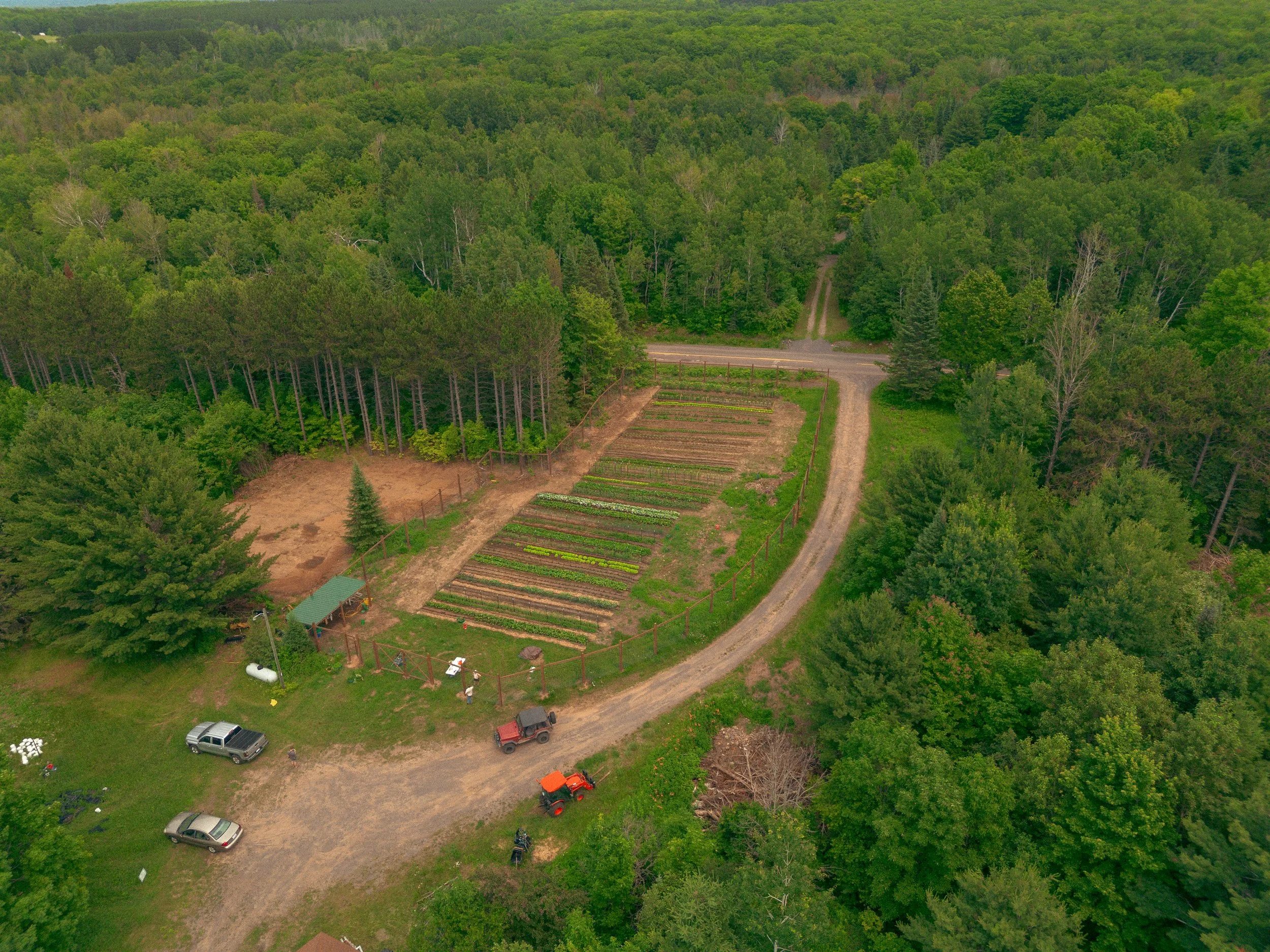
Everyday we’re learning more more about the detrimental effects of chemicals used in conventional farming. We want none of that in our soil, our produce, or our bodies. That's why use only certified organic inputs including seeds (vegetable, herb, and cover crop), seed starting soil, fertilizer (fish based emulsion, single-ingredient meals, worm castings, and composted chicken manure), and microbes (beneficial fungi, bacteria, and insects).
In an effort to be as sustainable as possible, we prioritize sourcing our inputs as close to home as we can. Each winter, we devote time to researching new organic inputs as they become available, then conduct greenhouse trials in the spring to evaluate their quality and effectiveness before putting them to use on the farm.
Interplanting
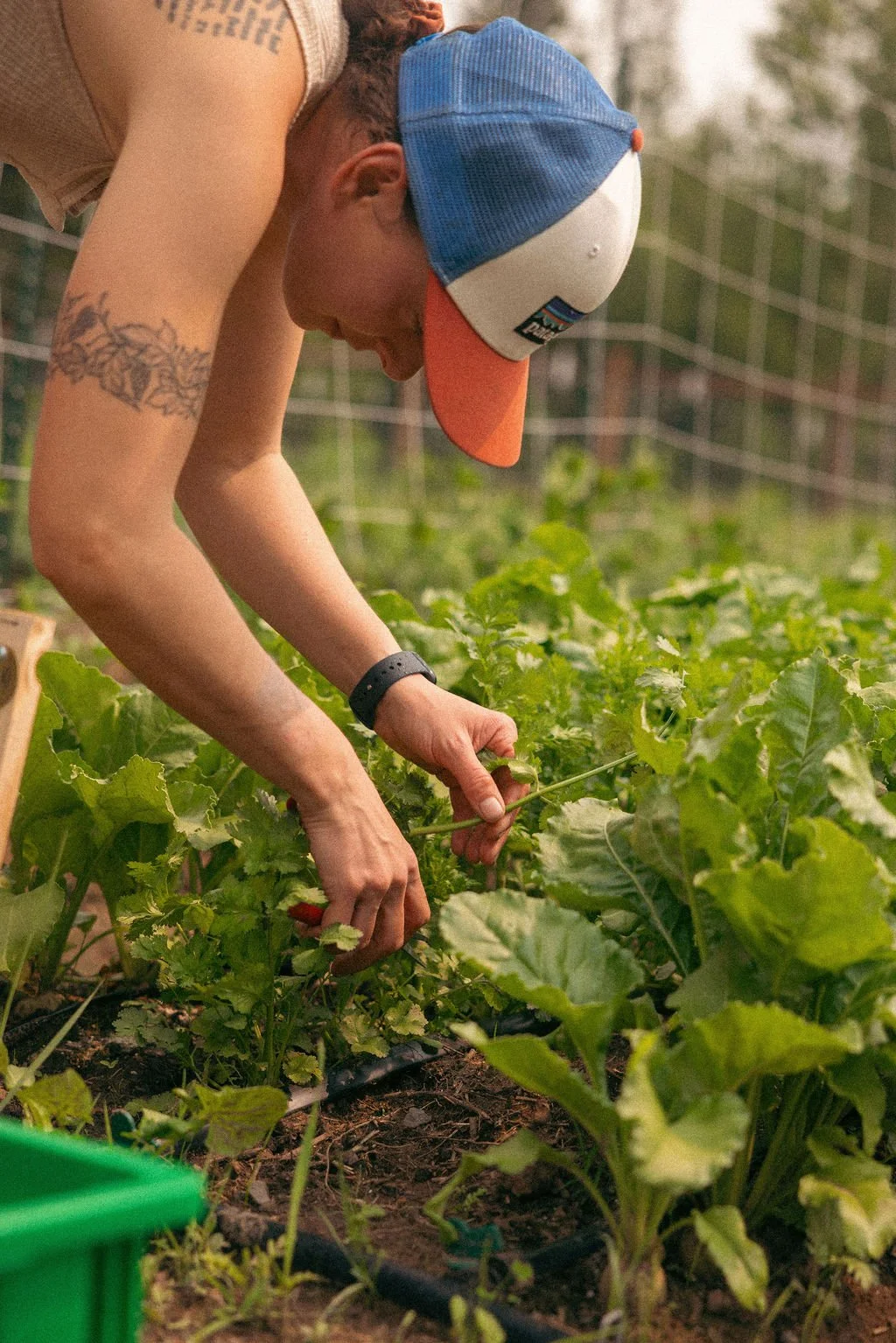
By growing a variety of densely planted crops within a single bed, we mimic the diversity found in natural ecosystems. This diversity above ground helps foster balanced soil biology below, leading to healthier, more resilient plants that require fewer additional inputs. Interplanting also keeps the soil covered, helping retain moisture and reduce the need for irrigation. This practice does require knowledge of what grows well together and what doesn’t — research we’re excited to conduct every year.

Cover Cropping
Like any living thing, the soil needs rest and replenishment. That’s where cover crops come in. After the soil has worked to nourish a crop, we work to nourish the soil by planting a diverse mix of legumes, grasses and cereals, and brassicas and broadleaves. Rather than producing a profitable harvest, this diverse mix ensures our farm’s future by preventing erosion, adding organic matter, retaining essential moisture, scavenging nutrients, suppressing weeds, reducing pests, and providing habitat and food for beneficial insects, birds, and microbes.
It’s an expensive endeavor only planting organic cover crop, an expense very few farms take on, but we consider it essential as legumes, cereals, and brassicas are otherwise subject to heavy synthetic chemical sprays when conventionally farmed. We choose organic seed to keep those inputs out of our fields, our food, and our bodies.